
“What is Commedia dell’arte?”
“Commedia dell’arte is a masked comedy that originated during the Italian Renaissance, with its popularity eventually spreading throughout Europe. Although the physical performance traditions of Commedia dell’arte once died out in the 18th century, its value was rediscovered in the first half of the 20th century by theater reformers.”
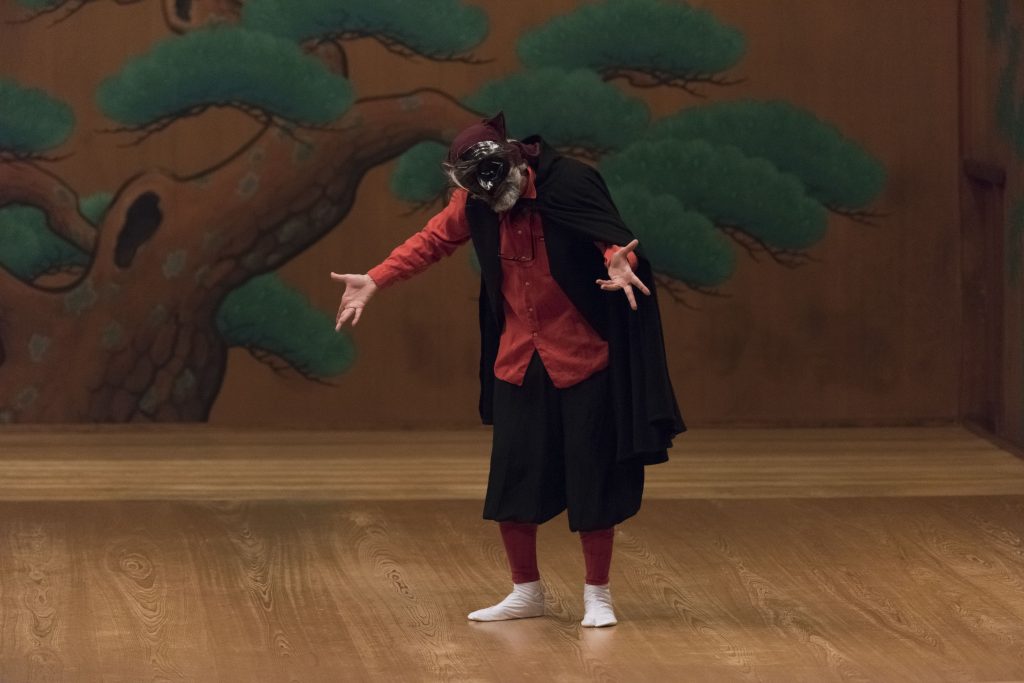
- “Commedia dell’arte (Italian for ‘comedy of the profession’) is a form of improvisational theater characterized by the use of masks.”
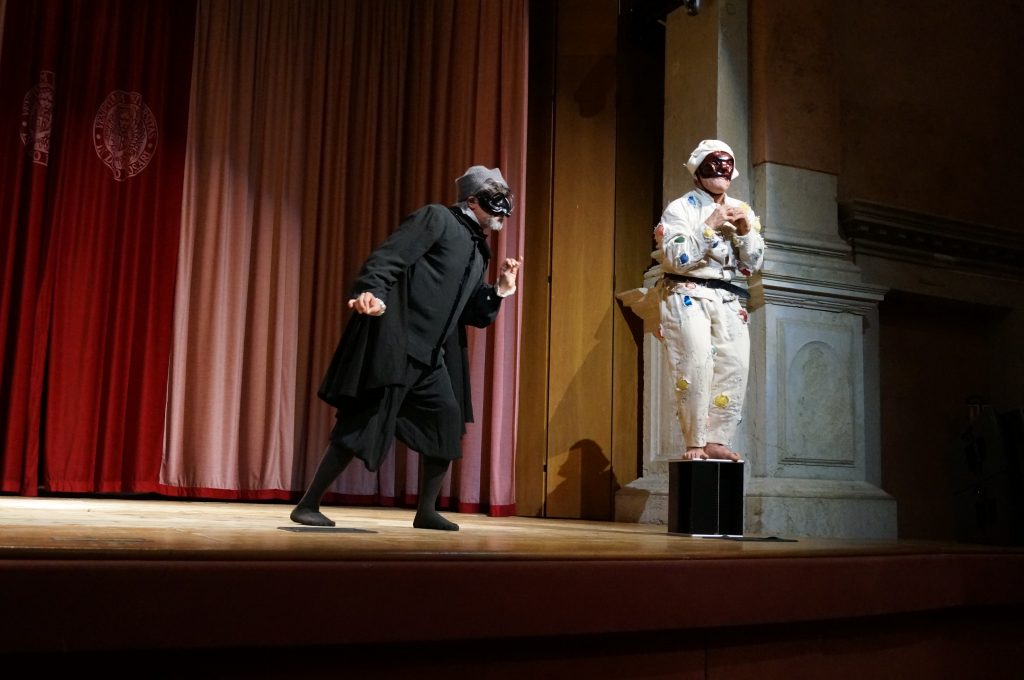
- “Originating in northern Italy in the mid-16th century, it became highly popular across Europe from the 16th to the 18th centuries and continues to be performed worldwide today.”
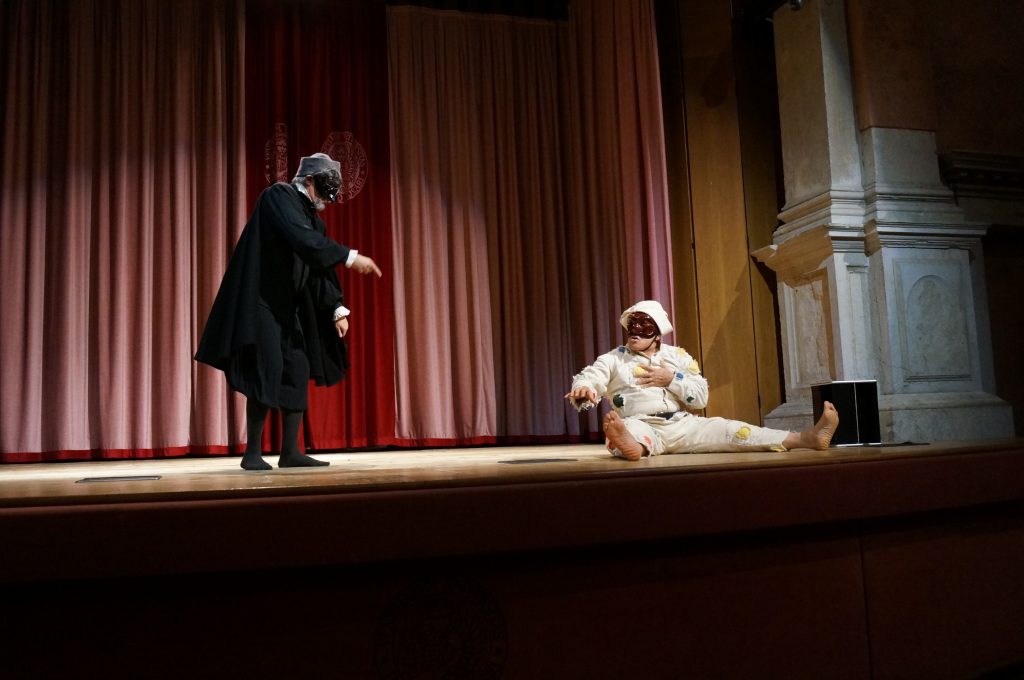
- “In Commedia dell’arte, actors humorously portray stock characters, improvising stories based on established situational frameworks. Performances actively incorporated ‘topical events’ such as current affairs and local scandals, as well as the unique regional flavor of the performance location.”
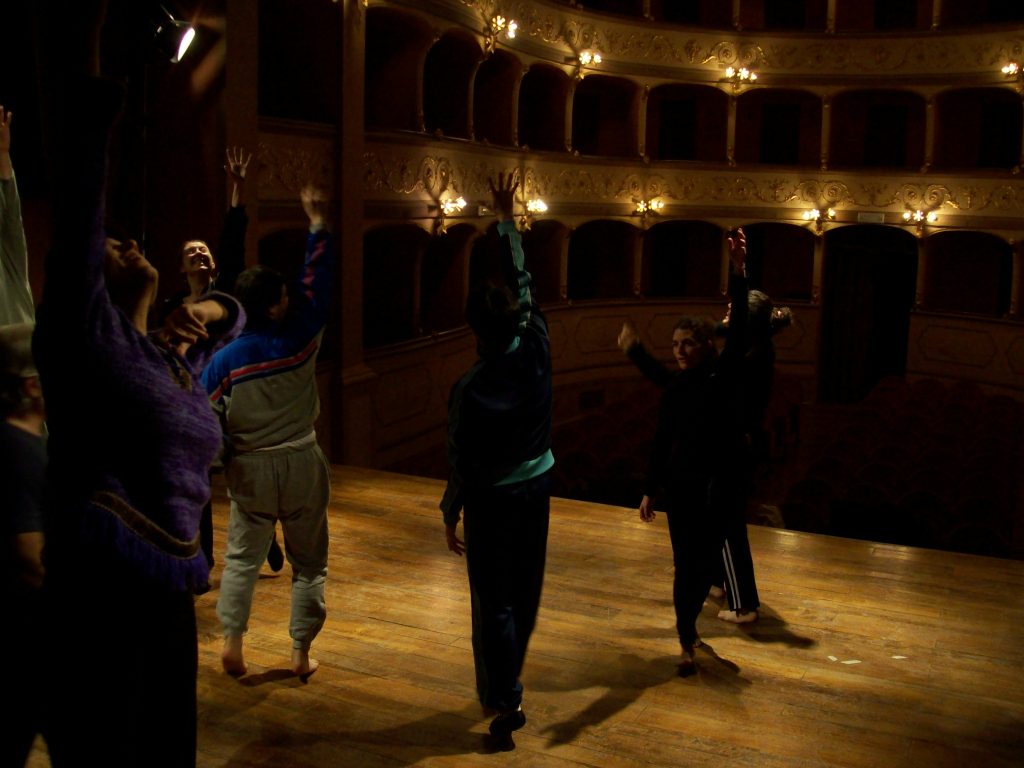
- “To entertain the audience, various techniques were utilized; acting was highly exaggerated, and unique comedic methods were developed over time. Performances often blended physical expressions such as pantomime, juggling, and acrobatics.”
- “Notably, it introduced actresses to the stage during an era when it was unheard of for women to perform in theater. It is also considered one of the earliest forms of professional theater troupes.”
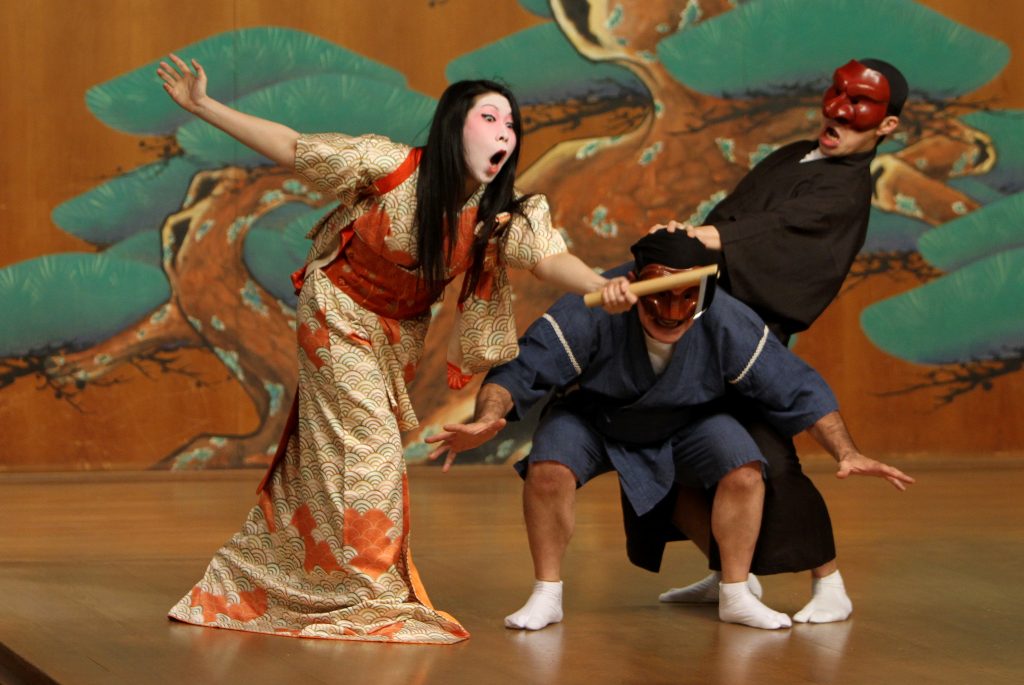
- “Commedia dell’arte was widely embraced by diverse audiences not only in its birthplace of Italy but throughout Europe. It significantly influenced renowned playwrights, including William Shakespeare in England and Molière in France.”
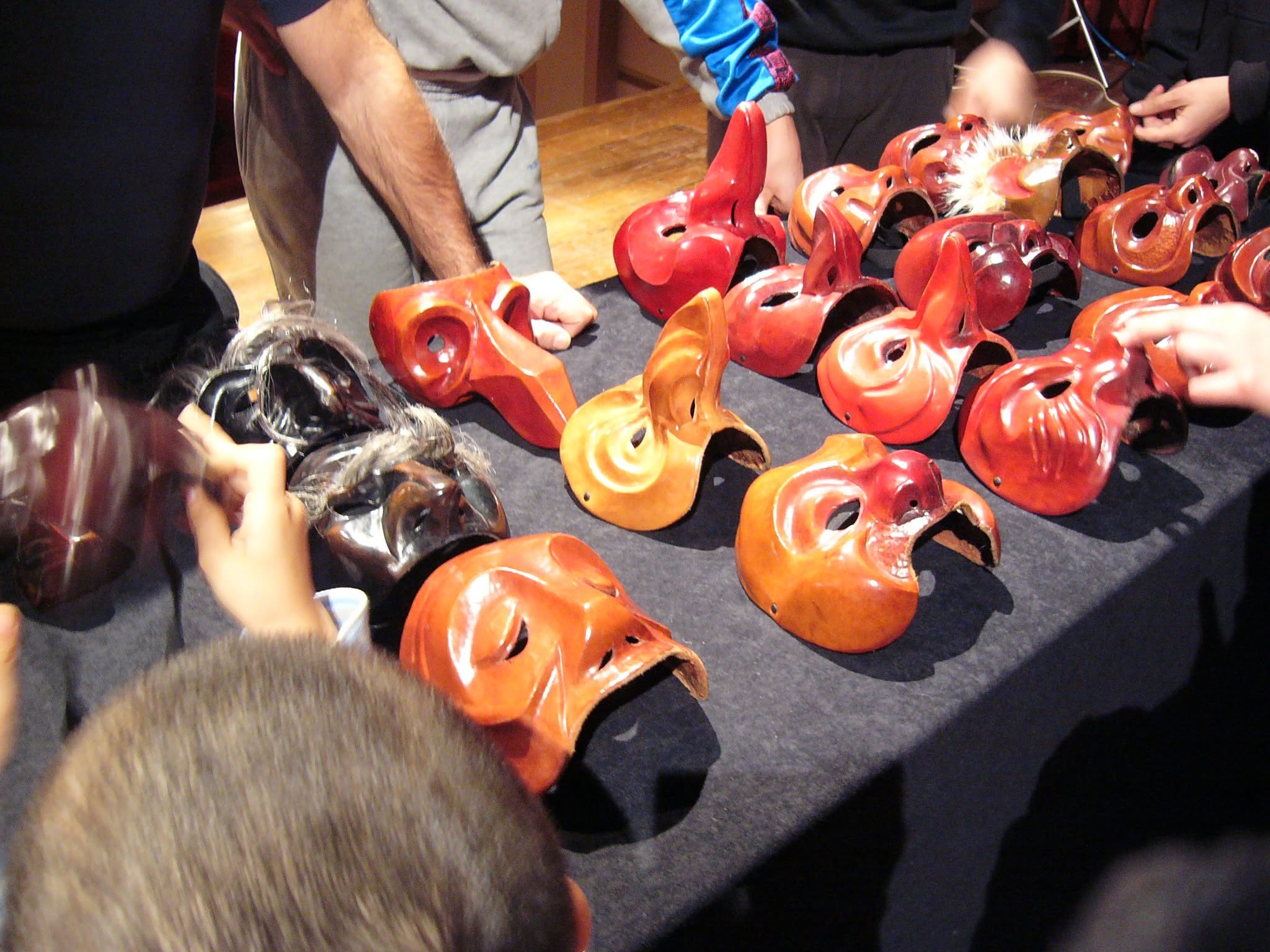
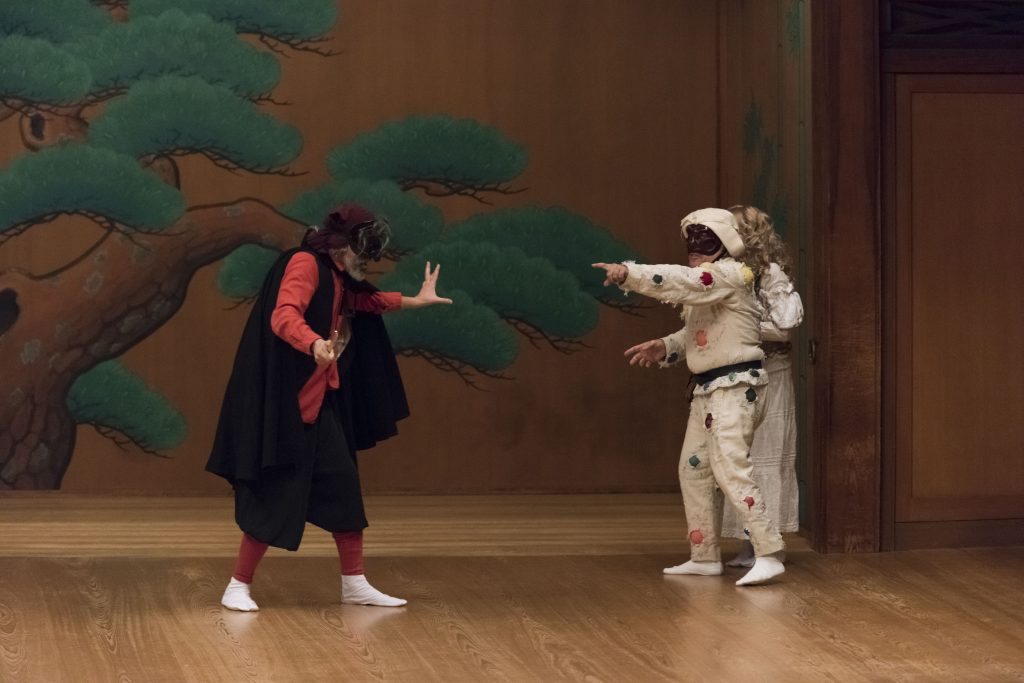
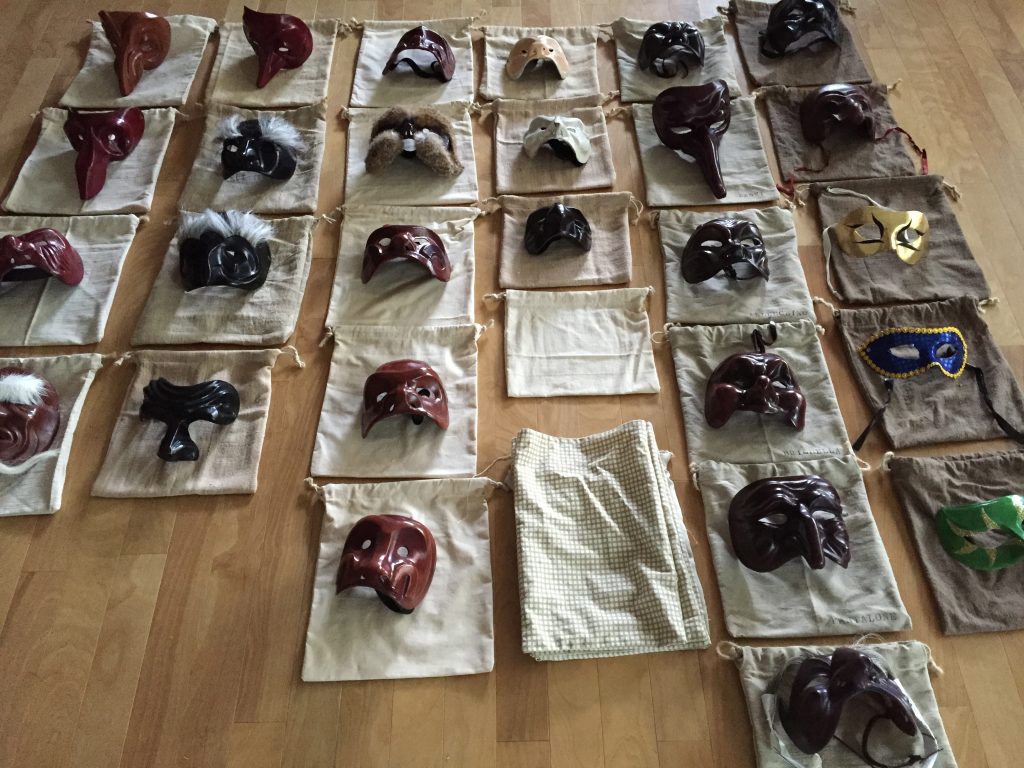
- “The characters of Commedia dell’arte each possess specific names and distinct, stereotypical traits in their personality, attire, mask, and acting style. For instance, ‘Pantalone’ is a pompous yet gullible and lustful old merchant with a goatee, while ‘Capitano’ is a soldier who constantly boasts of his battles but is actually a coward.”
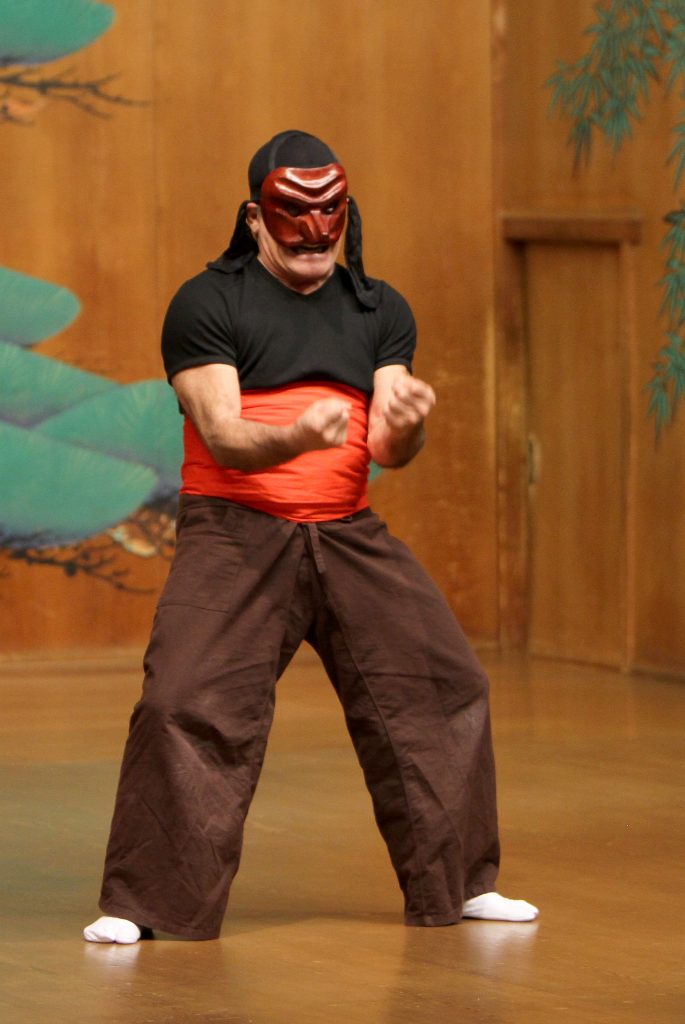
- “This group of characters is known as ‘stock characters.’ Actors select and portray these roles, improvising stories within familiar, archetypal situations that revolve around themes like infidelity, jealousy, the struggles and absurdities of aging, and romance.”
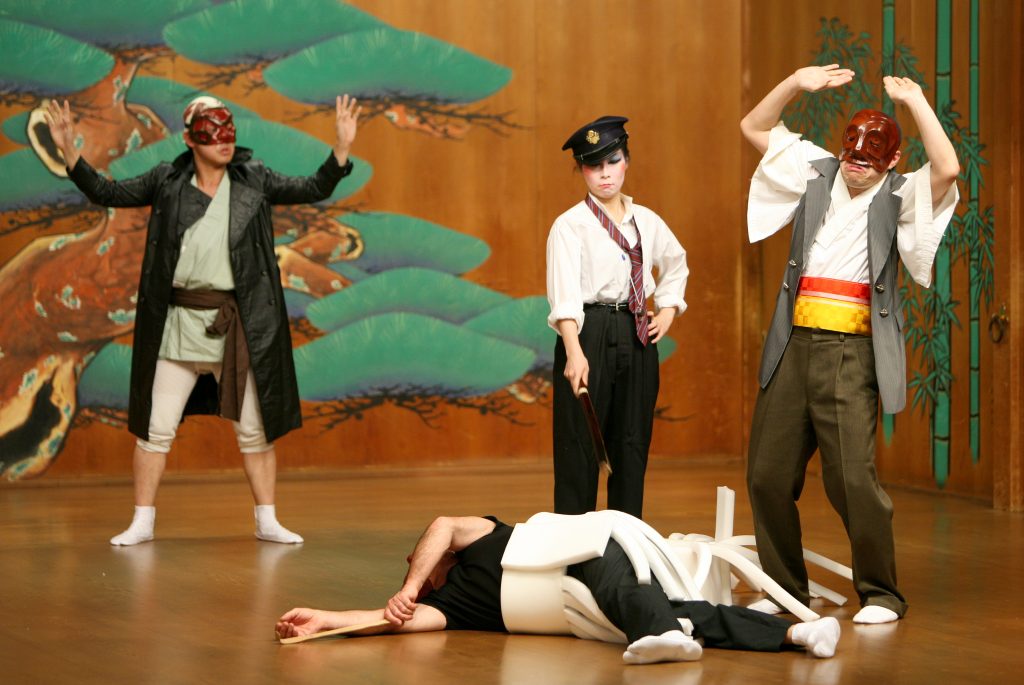
- “Playing these fixed roles in a predictable manner helps the audience quickly understand the characters, allowing them to focus entirely on enjoying the actors’ performances. For the actors, wearing the masks and costumes makes it easier to embody the roles; however, the technique is deeply profound, requiring extensive training and experience. In most cases, actors specialize in playing one specific character.”
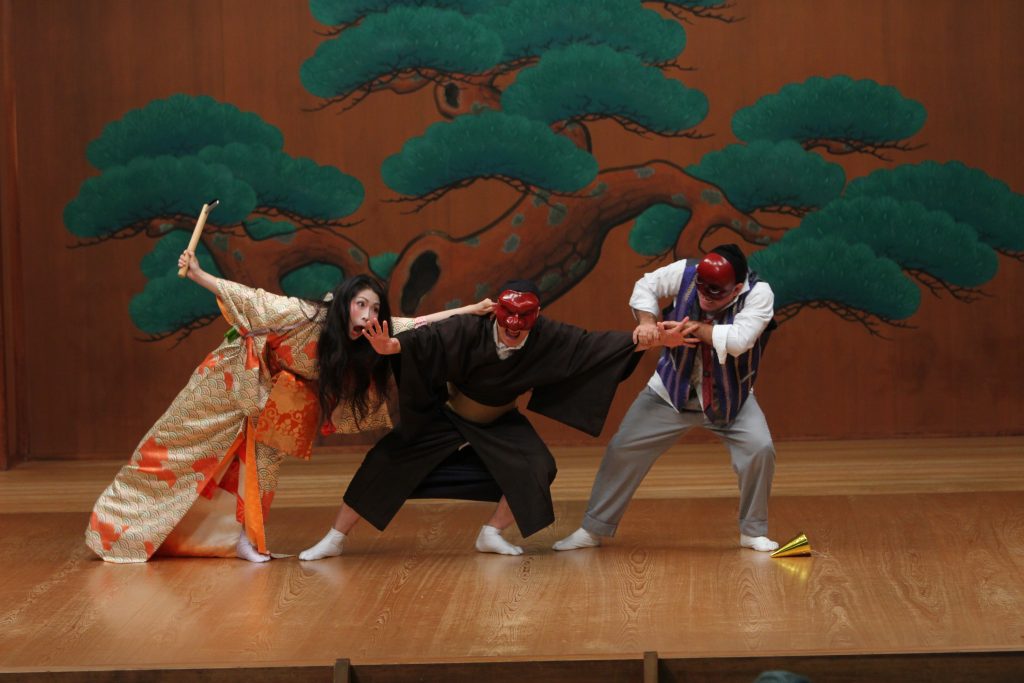
- “Although Italian masked theater and carnivals temporarily died out after the Napoleonic occupation, Venice revived the tradition in the 19th century as the Masked Carnival. Furthermore, after Giorgio Strehler, a director born in Trieste, Italy, founded the Piccolo Teatro di Milano in 1947 and directed Goldoni’s ‘The Servant of Two Masters’ as a revived Commedia dell’arte masked play, it has continued record-breaking tours across global theaters, including Japan.”
- https://www.atelier-oga.com/future/commedia.htm

コメント