
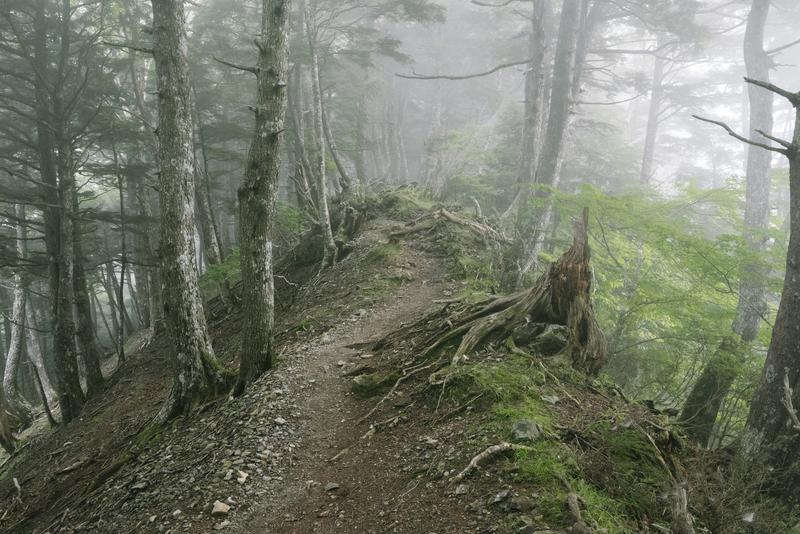
What is Shugendo?
“Shugendo is a unique Japanese religion and practical philosophy that formed through the fusion of ancient Japanese mountain worship with Buddhism (especially Esoteric Buddhism) and Shinto. Its purpose is to attain supernatural spiritual power (genriki) through rigorous training deep in the sacred mountains, with the ultimate goal of offering salvation to people.”
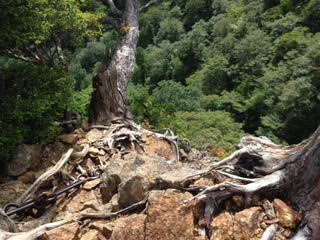
History
- Founder (開祖):
“It is said to have begun in the Asuka period when En no Gyoja (En no Ozunu), a mystic and ascetic, opened Mount Katsuragi and Mount Omine in Yamato Province (present-day Nara Prefecture).”
Syncretism of Shinto and Buddhism (神仏習合):
“It was established through the medieval period as indigenous mountain worship—which views all nature as divine—merged with imported religions such as Buddhism and Taoism.”
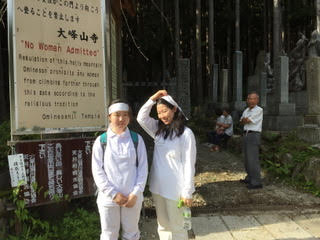
What are Yamabushi?
- Ascetics / Yamabushi (修験者・山伏):
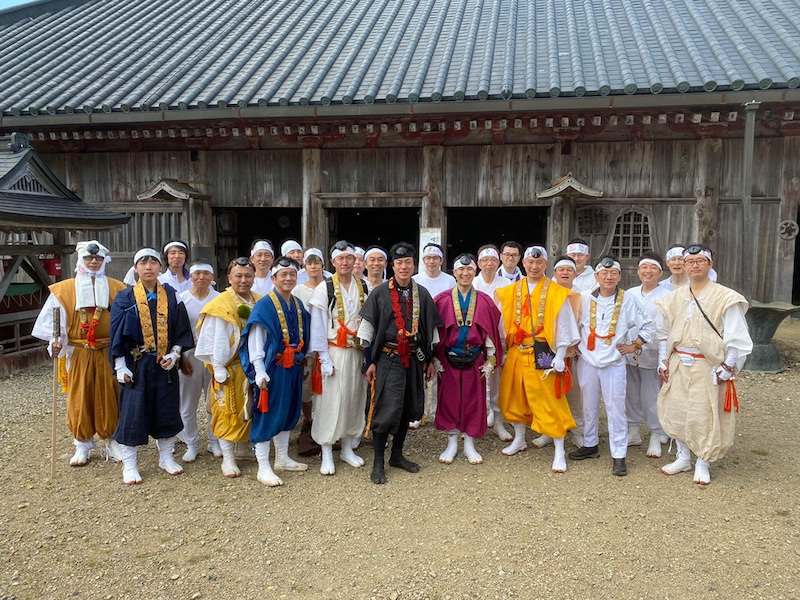
“This term refers to the practitioners of Shugendo. By secluding themselves in the mountains and undergoing harsh training, such as standing under freezing waterfalls or traversing treacherous peaks, they are believed to unify with nature and cultivate spiritual power.”
Attire (装束):
“They navigate the mountains wearing a small black pillbox hat called a ‘tokin’ on their heads, while carrying a ‘horagai’ (conch shell trumpet) and a ‘shakujo’ (khakkhara / sounding staff).”
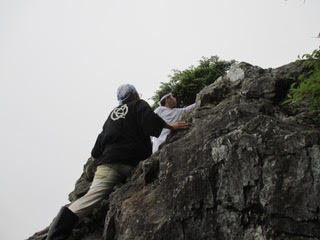
Major Sacred Places and Holy Mountains
- Mount Omine (大峯山 / Nara Prefecture): One of the most important sacred sites and the birthplace of Shugendo.
- Dewa Sanzan (出羽三山 / Yamagata Prefecture): The center of Haguro Shugendo, representing the Tohoku region.
- Mount Hiko (英彦山)
- Mount Chokai (鳥海山)
- Mount Ishizuchi (石鎚山)
- Mount Hakusan (白山)
- Mount Daisen (大山)
- Mount Togakushi (戸隠山)
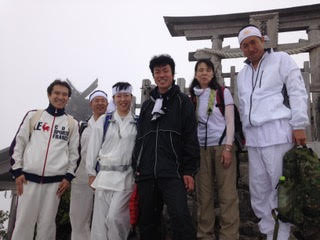
Sects and the Modern Era
“While Shugendo is a practical religion that transcends specific rigid frameworks, it has historically divided into several sects. Representative examples include the Honzan-ha sect associated with Tendai Buddhism and the Tozan-ha sect associated with Shingon Buddhism.”

コメント