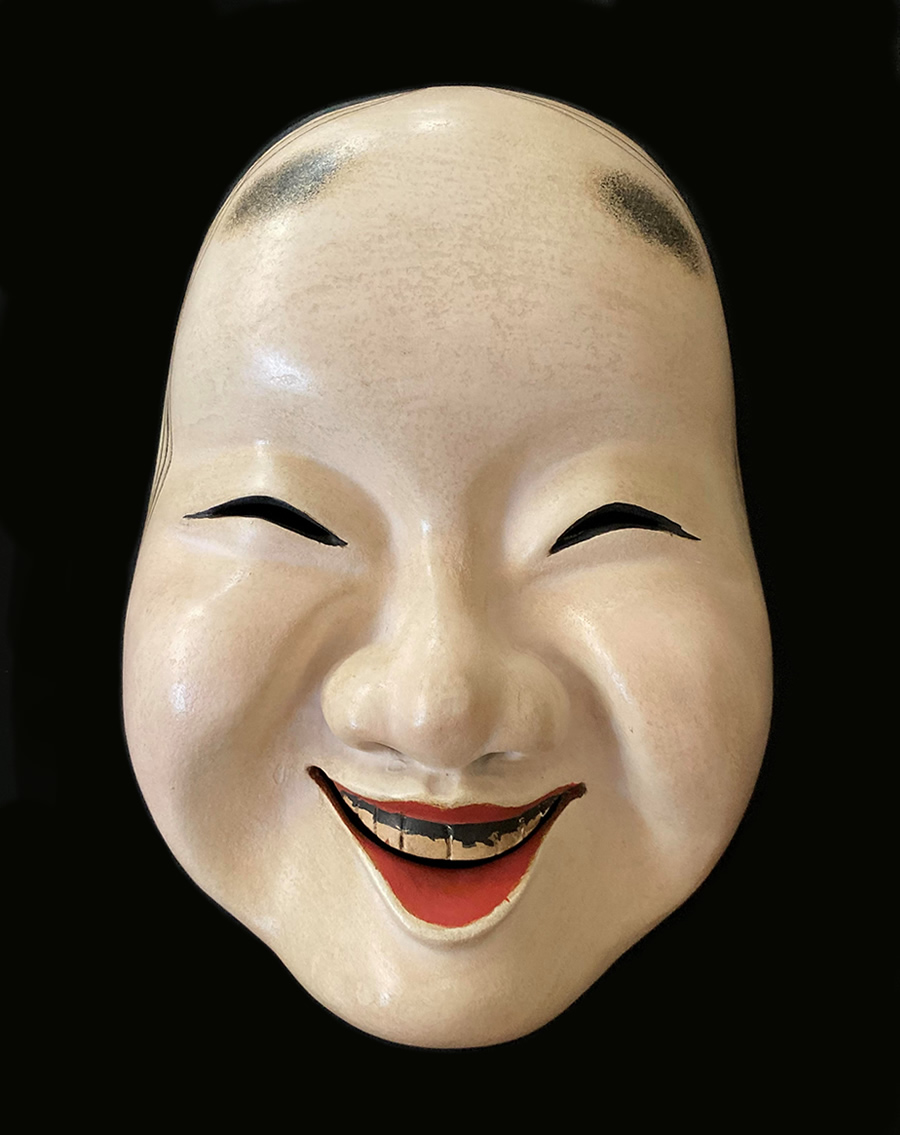
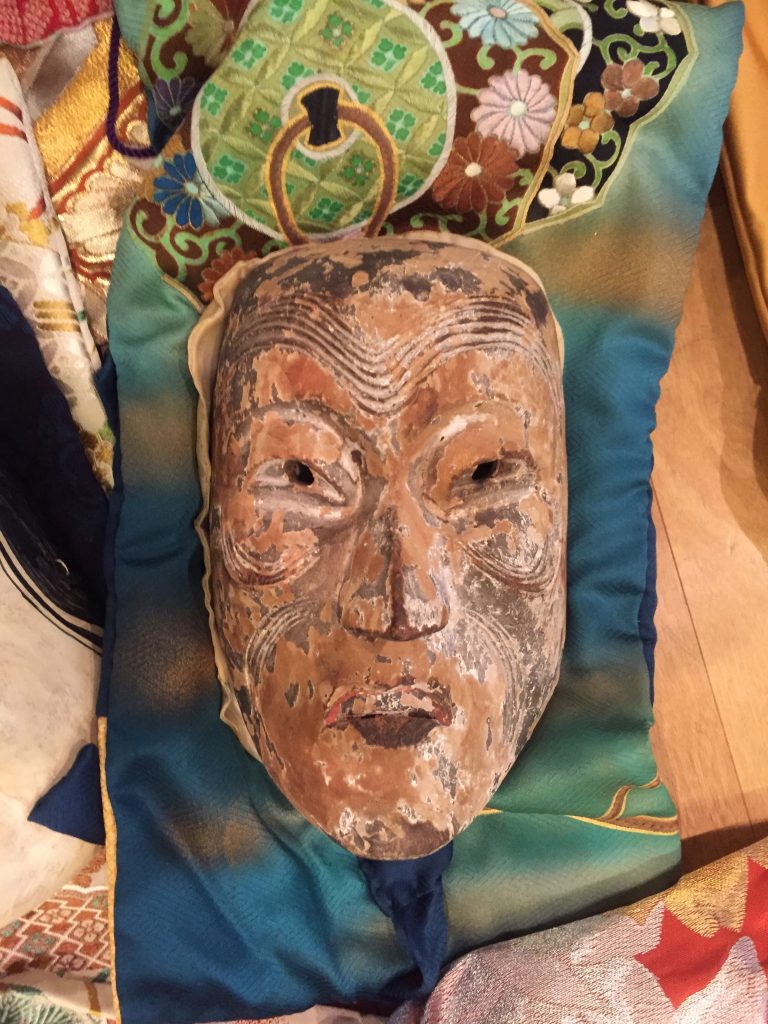
“A mask is a device for speaking the truth.”
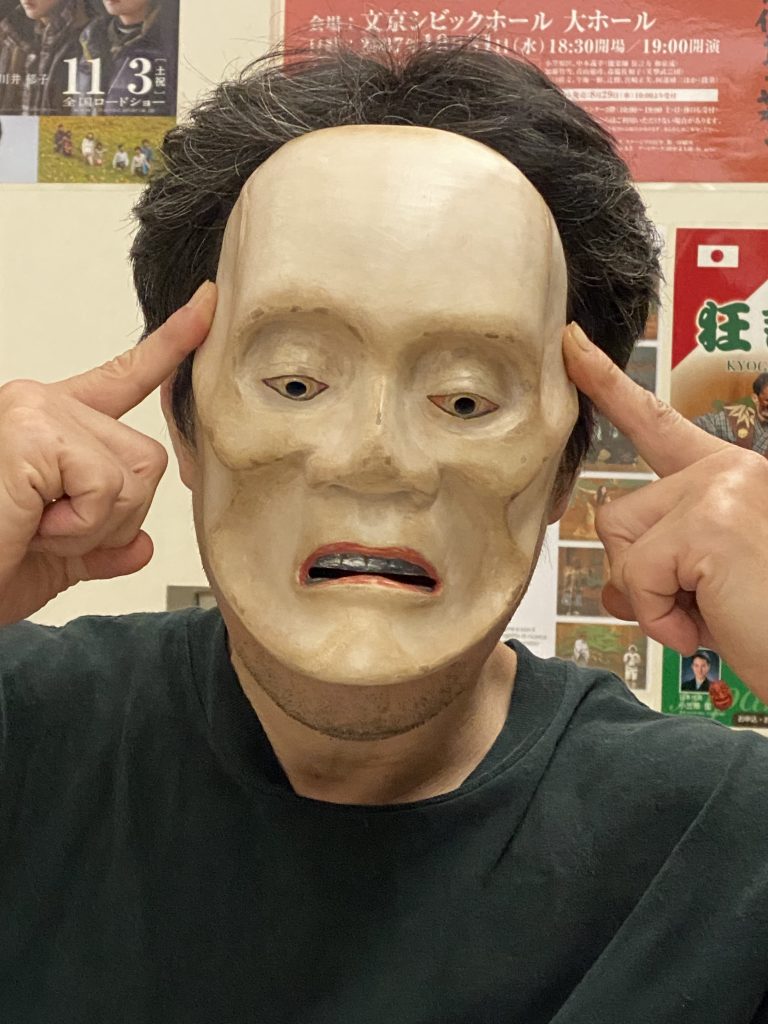
●What Does the “Face” Mean to Humans?
- “Humans can never envision a person without thinking of their face. Even when using verbal media such as letters, we unconsciously imagine the other person’s face.”
- “Portrait sculptures and portrait paintings distill expression down to the face alone. A ‘mask’ is the ultimate crystallization of this approach.”
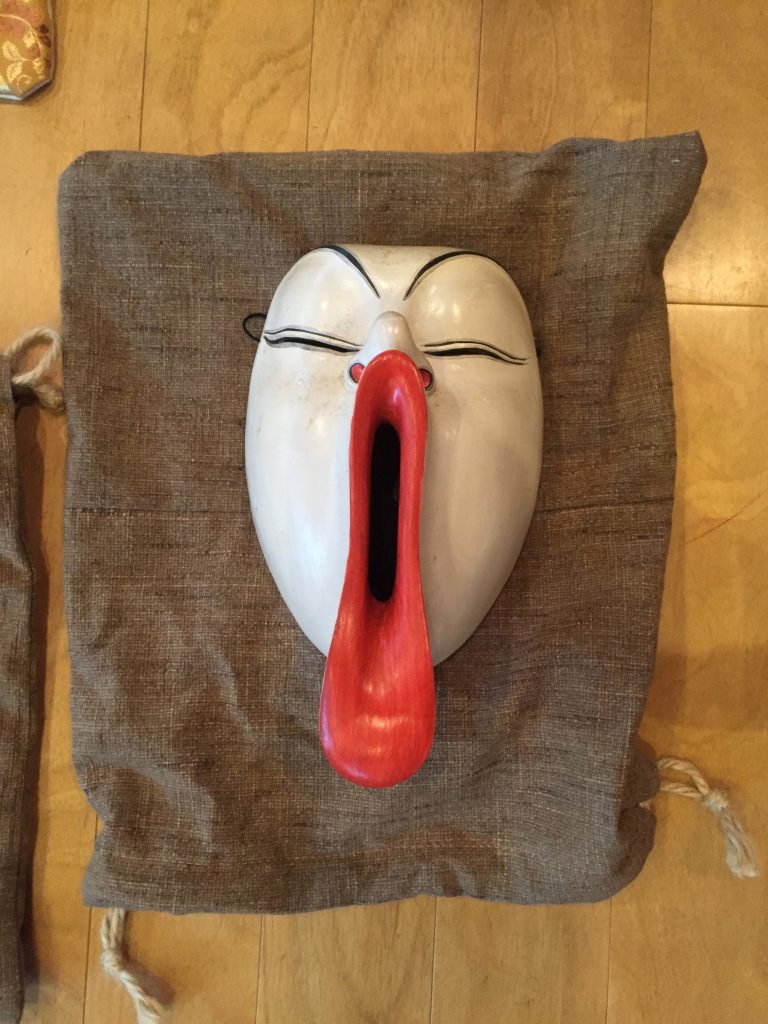
●Sculpture is Static; Masks are Dynamic
- “A mask absorbs into itself the body and movements of the actor who wears and moves it. Expression through the body becomes the expression of the mask. Originally, a mask is created by stripping away the limbs and head from the human body, leaving only the face. Yet, that very mask goes on to reacquire a body. While representation of a person can be condensed solely into the face, the face possesses the inherent power to freely restore the limbs and body.”
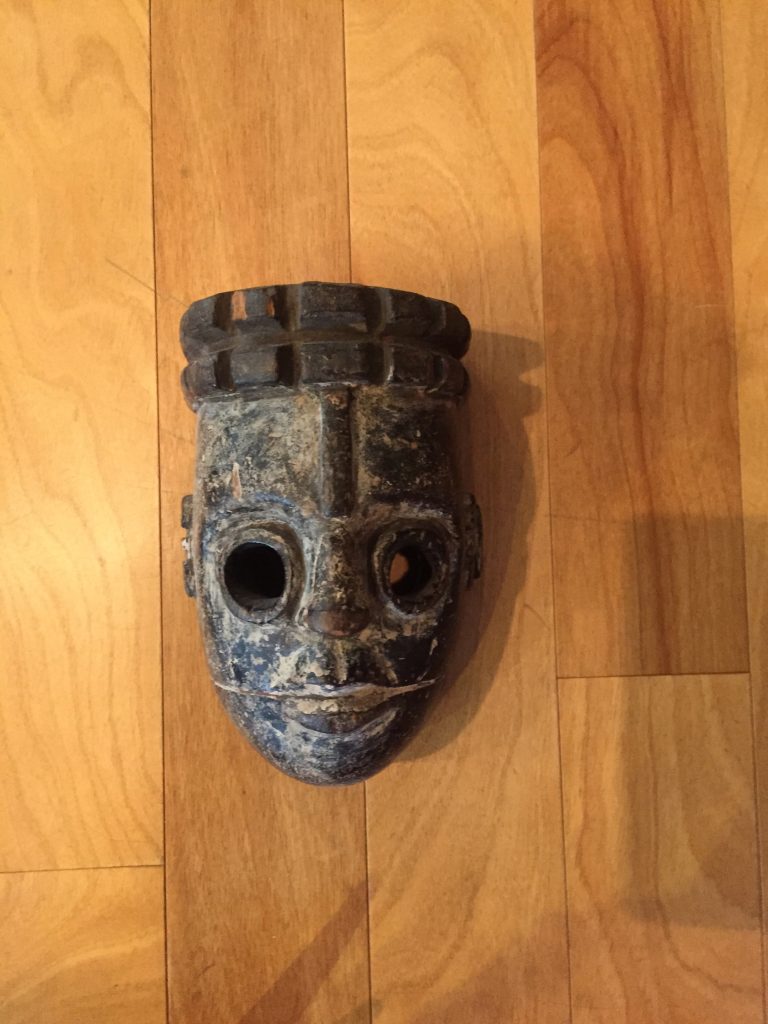
●The Transformation of Magical, Religious, and Ritual Performance into Drama
- “Masks were required for the choreography of religious rituals and to represent specific personas. Eventually, these ritual movements transformed into drama; as the characters became more complex, the types of masks diversified.”
- “In the concept of masked costuming, the relationship between the divine and the human is absolute: once a person puts on a mask, they become a god. This defines a society where humans and spirits cooperate to maintain the world order—a magical society rather than a strictly religious one.”
- “The Concept of the Outer Shell: Molting and the Celestial Robe (Hagoromo)”
- “Celestial Robe Legends Worldwide: If the celestial robe is taken away, the being becomes a mere human.”
- “The Myth of Molting: In ancient times, humans used to shed their skin like snakes to rejuvenate. Snakes, however, were limited to a single lifespan. But after losing a wager, humans became mortal, while snakes gained the ability to shed their skin and grow young again.”
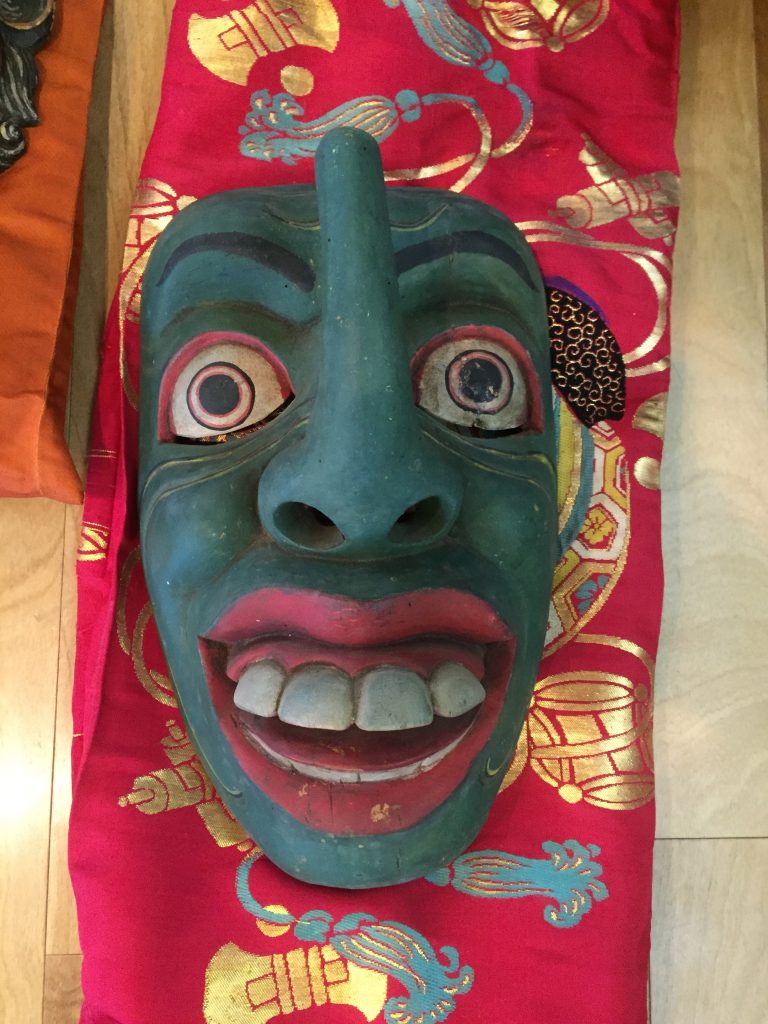
●Classification of Masks
“Masks worn on the face, masquettes worn above or below the head, and mascoids used to decorate building gables.”
- Hunting Masks (狩猟仮面)
- “Humans first stood as hunters, disguising themselves to approach their prey. This later gave rise to solemn, magical-religious dances and ritual performances related to hunting, based on the belief that these acts would ensure a successful catch.”
- Examples: Mandan Indian Buffalo Dance, Torres Strait Islands ritual statues on ships, Ivory Coast hunting masks.
- Totem Masks (トーテム仮面)
- “Animals, plants, and trees are creations that correspond to the genesis of the world; they are the ancestors and origins of humanity. A magical or religious bond exists between humans and their totem, from which they seek protection. Since they belong to the same bloodline, eating the totem is forbidden. Totem symbols are painted on weapons and bodies. Humans respect these animals and plants, striving to preserve and evolve their species (the origin of pastoralism and plant cultivation). Alternatively, in the Australian Intichiuma ritual, it was believed that eating the flesh and drinking the blood of the totem animal unified the person with the totem. (This evolved into the Eucharist, where bread replaced the flesh and wine replaced the blood). Members of the same totem are forbidden from having sexual relations.”
- Examples: North America, Australia, Dravidian tribes of India, Bantu tribes of Africa, Ivory Coast masks.
- Demon/Specter Masks (妖魔仮面)
- “Masks used for exorcising evil spirits.”
- Examples: Congo, New Guinea, Eskimo, North America, Seneca pseudo-secret society demon masks.
- Medical/Healing Masks (医術仮面)
- “Wearing a disguise mask that resembles the companions of the disease demon, the healer dances humorously to lure the demon out of the patient’s body and transfer it into a newly prepared dwelling—the healer’s own body. The healer then goes to the outskirts of the village, enters a state of suspended animation, and removes the evil spirit.”
- Examples: Borneo, Arizona, Buryat people of Siberia, Burma masks for epidemics.
- Mourning Masks (追悼仮面)
- “Embodying the return of the deceased person’s spirit.”
- Examples: New Ireland, Bismarck Archipelago, Buka.
- Skull Masks (頭蓋骨仮面)
- “The spiritual power of a deceased shaman or war chief is preserved within the skull.”
- Examples: New Guinea, Torres Strait, New Britain, Andaman Islands in the eastern Bay of Bengal, Mexico skull masks.
- Spiritual Masks (霊的仮面)
- “Finding spirits within trees, or seeking benevolent acts from the dead.”
- Examples: Mexico, India, New Britain symbolic spiritual masks.
- War Masks (戦争仮面)
- “Not merely used to terrify the enemy, but to embody superhuman power within the shield, helmet, or mask.”
- Examples: New Britain, British Columbia military dance masks.
- Initiation Masks (入會仮面)
- “Used during initiation into secret societies. Performed as a coming-of-age ceremony for males only. Rituals include: 1. Fasting, suppression of fear and pain. 2. Circumcision, tooth extraction. 3. Instruction on tribal marriage regulations. 4. Secret dramatic dances of tribal lore.”
- Examples: North America, West Africa, Polynesia, Melanesia, New Guinea, Torres Strait, Native Americans, Congo.
- Rainmaking Masks (雨乞仮面)
- “Involving symbolic movements, dialogues, songs, and dances.”
- Examples: Zuni Native Americans.
- Carnival Masks (謝肉祭仮面)
- “A darker history: under the protection and anonymity of the mask, people would terrify others, steal neighborhood property, and engage in violent, lawless behavior on the streets.”
- Examples: The foothills of the Alps, Europe. Masks of evil deities.
- https://www.atelier-oga.com/future/kamen01.htm
コメント